For many parents, the day of a tongue or lip tie release feels like the finish line. After weeks of battling painful nursing sessions, watching a baby click or choke at the breast, or worrying about a toddler’s speech clarity, you finally make the decision to move forward.
When you visit a specialized clinic like the Tongue Tie Laser Center of Atlanta, the procedure itself is remarkably quick. Using precise technology like the LightScalpel CO2 laser, the restriction is gently freed with minimal discomfort and rapid healing.
Then comes the post-procedure homework: the stretching exercises. You are handed a set of instructions to massage and lift the site every few hours to prevent reattachment.
Yet, for many families, a frustrating realization sets in a few weeks later: The tongue is physically free, but the feeding struggles, tension, and fussiness haven’t fully resolved.
If you are wondering why the wound is healing nicely yet your baby is still struggling, you are experiencing the post-release puzzle. The missing piece is simple: A laser releases the physical restriction, but it cannot instantly erase a lifetime—or a lifetime in utero—of muscle memory, nervous system patterns, and compensatory habits.
🔍 Understanding How Tongue-Ties Really Work
The tongue is not an isolated muscle. It is the structural anchor of the entire oral-facial complex, connected to:
- The floor of the mouth and hyoid bone
- The jaw muscles and temporomandibular joint (TMJ)
- The deep cervical muscles of the neck
- The cranial bones and central nervous system (via the vagus and cranial nerves)
When a baby has a tongue tie, they cannot elevate or extend the tongue properly. To feed and survive, their body compensates. They learn to suck using their lips, cheeks, or jaw instead of a smooth tongue wave. They may pull their head back or swallow with a tongue-thrust pattern.
These compensatory habits become hardwired into the neuromotor pathways. A frenectomy cuts the tight band of tissue (the frenulum), granting the tongue the capacity for movement—but the brain doesn't automatically know how to use it.
🚫 Why Stretching Exercises Are Only Part of the Equation
Post-operative stretches (active wound management) are critical for two primary reasons:
- Preventing premature reattachment of the raw diamond-shaped wound.
- Promoting tissue mobility and elasticity.
However, stretches are mechanical maintenance, not neurological rehabilitation. Without addressing the root causes, families often run into these roadblocks:
- Persistent Neuromuscular Compensation: The motor cortex has spent months practicing incorrect patterns. Without guidance, the child will default to old habits like clamping with the jaws.
- High Systemic Body Tension: Restricted babies frequently exhibit full-body tension—tight shoulders, a stiff neck, a high-arched palate, and a shortened torso. If the neck and jaw are locked in tight spasms, the tongue cannot function at its peak.
- An Overwhelmed Nervous System: Chronic feeding struggles put infants into a constant "fight-or-flight" response. Healing requires calming the nervous system back into rest and digestion.
🧩 The Comprehensive Care Model: Putting the Pieces Together
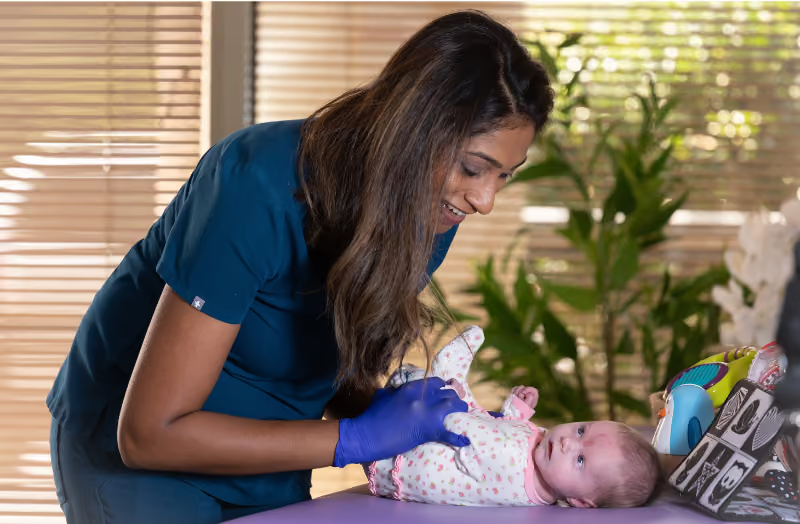
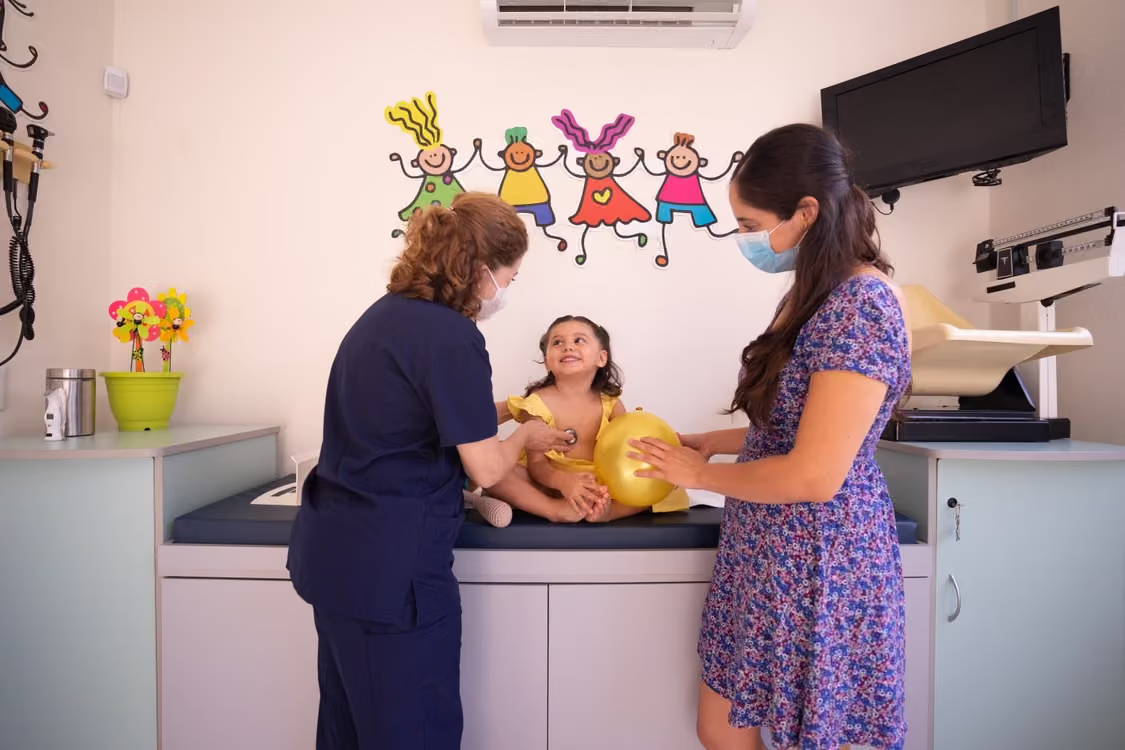
This is why successful tongue-tie care requires a holistic, multi-disciplinary approach. Rather than relying on a "cut-and-run" method, comprehensive treatment at the Tongue Tie Laser Center of Atlanta—led by Dr. Mark Persaud alongside a specialized team of occupational therapists, speech-language pathologists, and lactation consultants—integrates complete supportive care under one roof:
- Functional Therapy & Lactation Support: IBCLCs and feeding specialists evaluate how your baby interacts with the breast or bottle post-release to re-establish a deep, pain-free latch.
- Myofunctional Therapy: For older children, teens, and adults, targeted facial exercises retrain oral muscles, resting tongue posture, and nasal breathing.
- Bodywork (CFT, Craniosacral, & Reflexology): Gentle manual therapies release stored fascial tension throughout the cranium, neck, and spine, allowing the jaw and tongue to move with ease.
- The TummyTime! Method: Purposeful tummy time helps babies build core strength, neck stability, and symmetrical movement patterns.
By managing everything in one coordinated program, families avoid the stress of bouncing from office to office searching for disconnected answers.
🗺️ What to Expect on the Healing Journey
- Week 1 is for Recovery: Expect some fussiness as local anesthesia wears off and the body processes the procedure.
- The "Worse Before Better" Phase: It is normal for babies to look clumsy with their new tongue movement around days 4 to 10 as their brain learns to coordinate the muscle.
- Consistency Wins: Gentle, precise stretches paired with daily bodywork yield far better long-term results than aggressive, forced stretching.
- Patience: Just like knee surgery requires physical therapy, oral rehabilitation takes time and professional guidance.
Frequently Asked Questions
1. How long do I need to perform post-release stretches?
Active wound management is typically recommended for about 2 to 4 weeks, depending on the individual healing rate and provider protocol, to keep the diamond-shaped wound open until mucosal tissue fully heals.
2. Can a tongue tie reattach even if I do the stretches?
True surgical reattachment is rare with consistent stretches, but partial reattachment or dense scar tissue (fibrosis) can occur if underlying tension is left unaddressed. Working closely with your care team ensures any concerns are caught early.
3. Why is my baby still clicking while nursing weeks after the laser release?
Clicking usually indicates that the baby is still losing suction because the lips, cheeks, and jaw haven't yet learned how to maintain a vacuum without tongue stabilization. Feeding therapy and suck-training exercises help resolve this.
4. Do adults need bodywork or therapy after a tongue-tie release?
Yes! Adults have spent decades adapting to a restricted tongue. Myofunctional therapy is virtually essential to retrain decades of ingrained muscle memory and relieve chronic jaw tension and headaches.
5. How do I know if my child needs professional bodywork?
If you notice signs of full-body tension—such as a persistent head tilt (torticollis), difficulty turning the head equally to both sides, severe reflux, or ongoing feeding friction despite a clean release—consulting an occupational therapist or craniosacral therapist is highly recommended.
Remember, healing is a journey of teamwork and patience—you don't have to navigate the pieces alone.
Ready to find clarity and lasting relief for your family? If you suspect an oral restriction or need guidance after a procedure, the specialty-trained team at the Tongue Tie Laser Center of Atlanta is here to support you every step of the way—from your initial consultation through complete functional recovery.
Start Your Journey Today or call our office directly at 470-437-4337 to speak with our specialists.